
New York City Small Claims Court Guide
How to get your money back in NYC — what you can sue for, how to file, what it costs, and where your courthouse is, for every borough.
Free to start, no account needed, and built with attorney oversight. Your data is private and secure. By chatting, you agree to our Terms.
Learn more

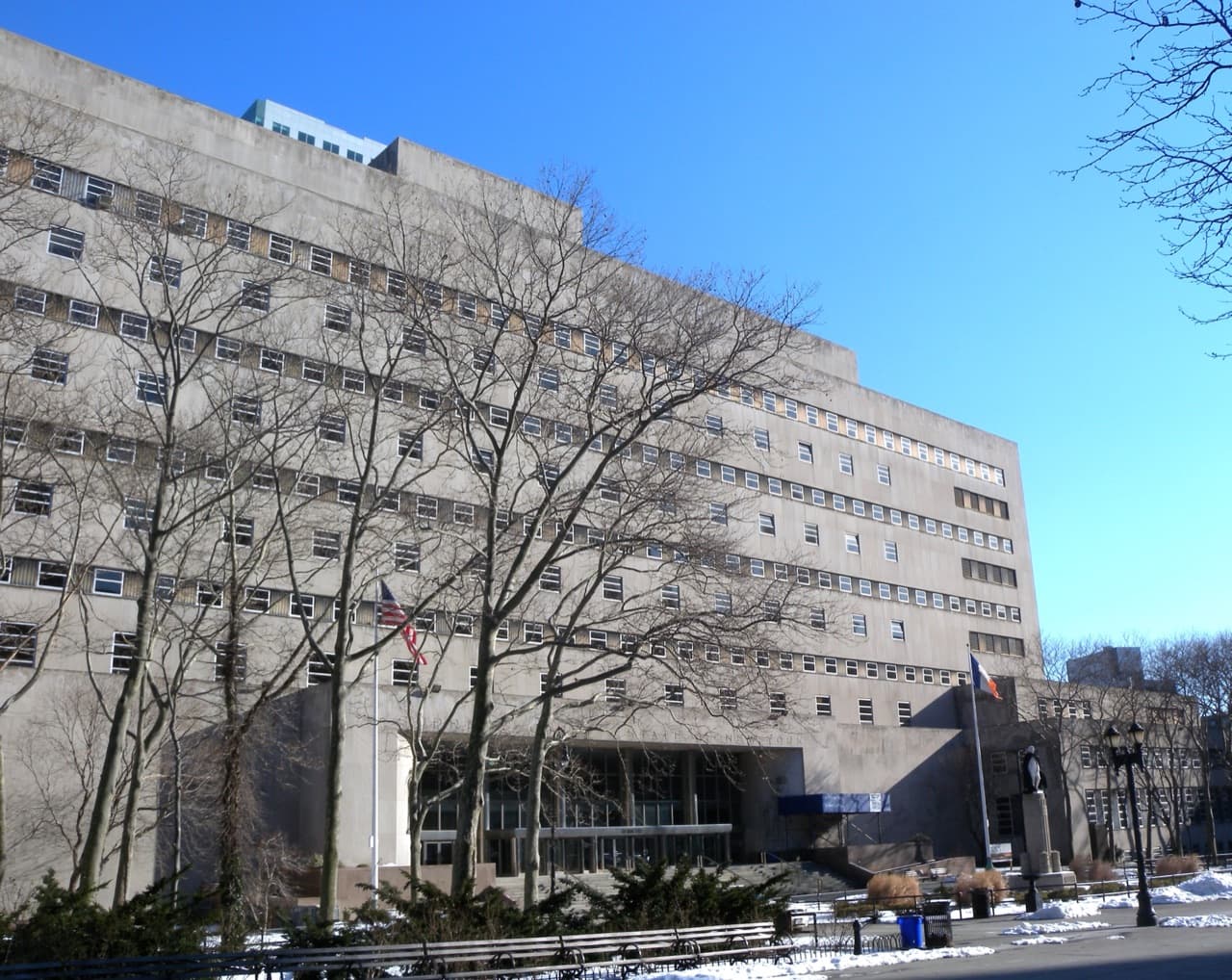
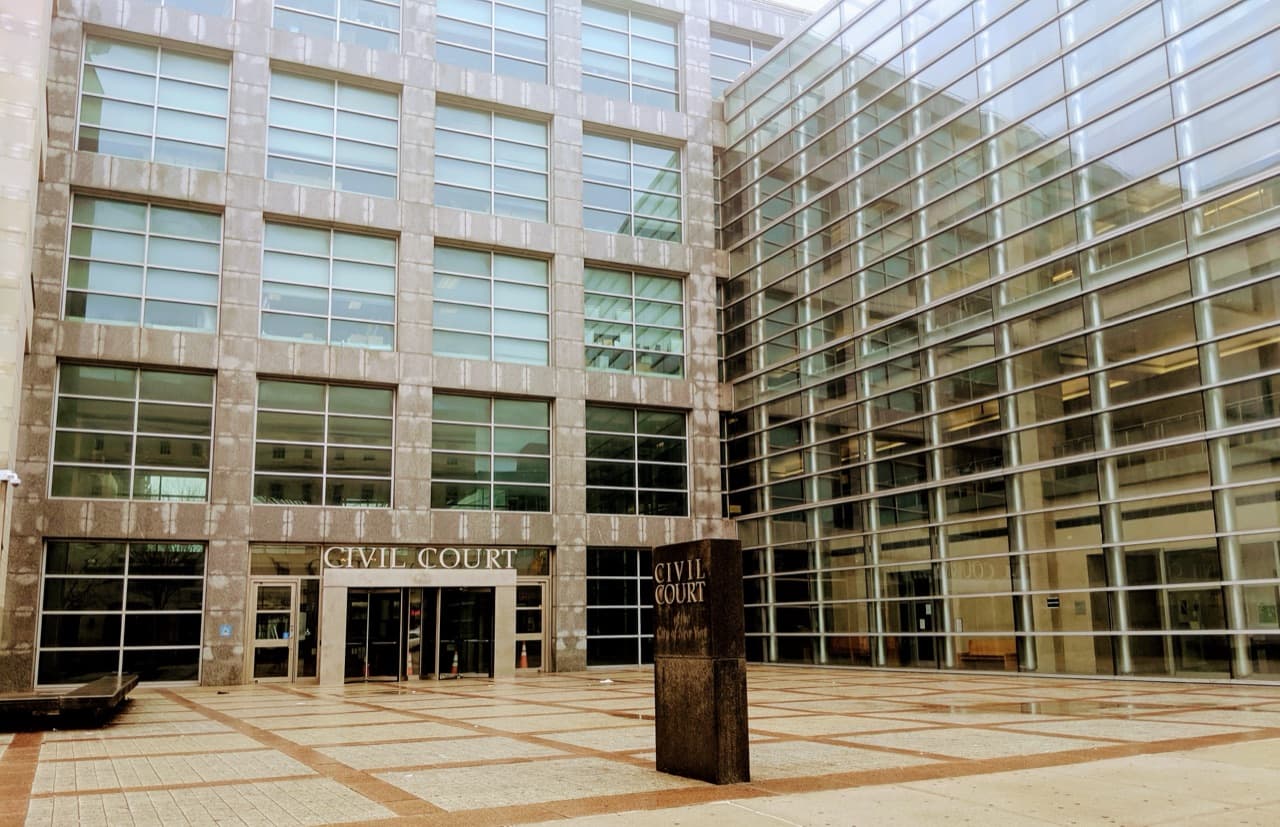
The Bronx · small claims
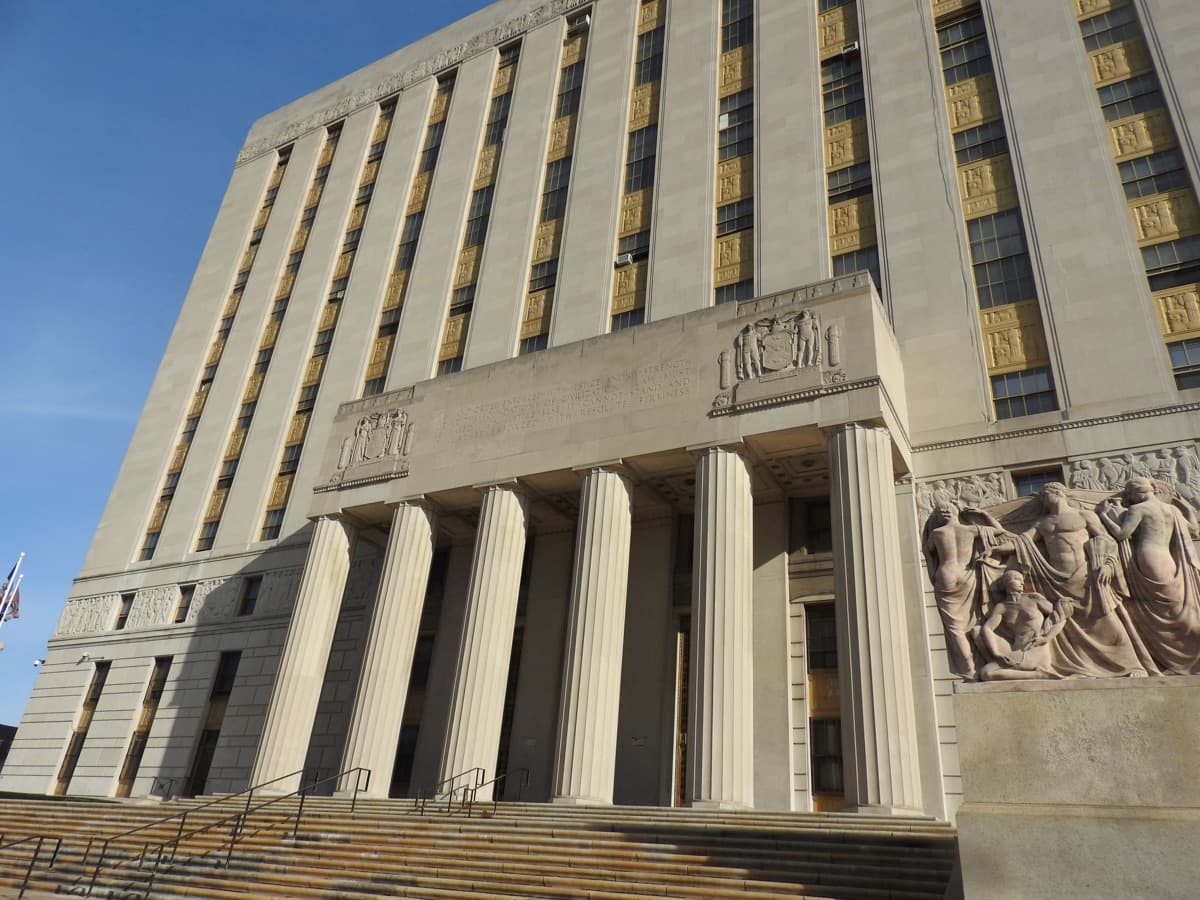
Bronx County Civil Court
851 Grand Concourse, Bronx, NY 10451
$10,000
Maximum claim in NYC small claims court
$15–$20
Filing fee, based on claim size
5
Borough courthouses, all with evening sessions
100+
Languages with court interpreters available
Small claims court in NYC, step by step
What Is Small Claims Court?
Small Claims Court is a simplified court designed for people who want to resolve disputes involving money without hiring a lawyer. It's faster, cheaper, and less formal than regular civil court. You don't need legal training — the process is designed so anyone can represent themselves.
In New York City, you can sue for up to $10,000. The court is solely for monetary compensation — you cannot use it to force someone to take an action or to seek damages for pain and suffering.
What can you sue for?
- Unpaid debts or loans
- Security deposit disputes
- Property damage
- Broken contracts or verbal agreements
- Defective products or poor services
- Auto repair or car accident damage
- Bad construction or home repair work
- Landlord/tenant disputes
Who can file?
- Any individual 18 or older. Minors must file through a parent or guardian.
- You must be the proper party — for example, the registered owner of a damaged vehicle, not someone driving it on their behalf.
- Corporations, partnerships, and associations cannot sue in Small Claims Court (they use Commercial Small Claims Court instead), but they can be sued.
Jurisdiction
You must file in the county where the defendant lives or works. If neither party lives in New York City, you can sue where either party has a place of business. Out-of-state defendants generally cannot be sued in NYC Small Claims Court.
How to File a Case
Step 1: Gather your information
Before visiting the clerk's office, make sure you have:
- The defendant's correct full name and address (if suing a business, you need the official business name — check with the County Clerk's office if unsure)
- The dollar amount you're claiming
- A clear explanation of why you're suing
Step 2: File at the clerk's office
Visit the Small Claims Clerk's office at your borough's courthouse (addresses below), to fill out a Statement of Claim and pay the filing fee. You'll receive a hearing date at this time.
Step 3: The court notifies the defendant
You do not need to serve the defendant yourself. The court clerk sends notice of your claim via both certified and regular mail. Service is considered complete if the regular mail is not returned as undeliverable within 21 days — even if the certified letter is never signed for.
If mail service fails
The court will give you a new hearing date and instructions for personal service. Someone 18 or older (who is not a party to the case) must deliver the papers in person. If you cannot serve the defendant within 4 months, the case is dismissed — but you can refile if you locate them later.
Suing a public agency?
You must notify the agency in writing within 90 days of the incident. The agency will assign a claim number. Wait 30 days for a response before filing in court. The overall deadline is 1 year plus 90 days from the incident (1 year plus 30 days for MTA claims).
Preparing for Trial
Mediation first
After filing, both parties will typically be contacted about mediation through the Community Dispute Resolution Center. Mediation is voluntary — either party can opt out with no effect on their case. It's often a faster way to reach a resolution without going before a judge.
Gather your evidence
Bring everything that supports your case to the hearing:
- Photos or videos of damage
- Written contracts, leases, or agreements
- Receipts, invoices, or cancelled checks
- Text messages, emails, or letters
- For repair claims: two signed, itemized written estimates
Witnesses
Witnesses must swear or affirm to tell the truth. If a witness refuses to come voluntarily, you can request a subpoena from the clerk's office. Expert witnesses (e.g., a mechanic or contractor) may be needed for technical claims but typically require payment and cannot be subpoenaed.
At the hearing
As the claimant, you present your side first. Interpreters are available for 100+ languages, and American Sign Language. You'll take an oath, explain the dispute, and show your evidence. The defendant then presents their side. A judge or arbitrator will decide the case. If decided by a judge, you can appeal within 30 days. Arbitrator decisions are final.
Filing Fees
| Claim Amount | Filing Fee |
|---|---|
| Up to $1,000 | $15 |
| $1,001 – $10,000 | $20 |
Borough Courthouses
Small claims cases are heard at each borough's Civil Court — typically the borough where the defendant lives, works, or has a place of business (the jurisdiction rules above have the details). Most clerk's offices keep the same hours (Mon, Tue, Wed & Fri 9:00 AM – 5:00 PM; Thursday 9:00 AM – 8:00 PM), and every borough holds evening small claims sessions — call the clerk's office for exact schedules.
The Bronx
Bronx County Civil Court
851 Grand Concourse, Bronx, NY 10451
Small Claims Clerk: (718) 618-2517
Manhattan
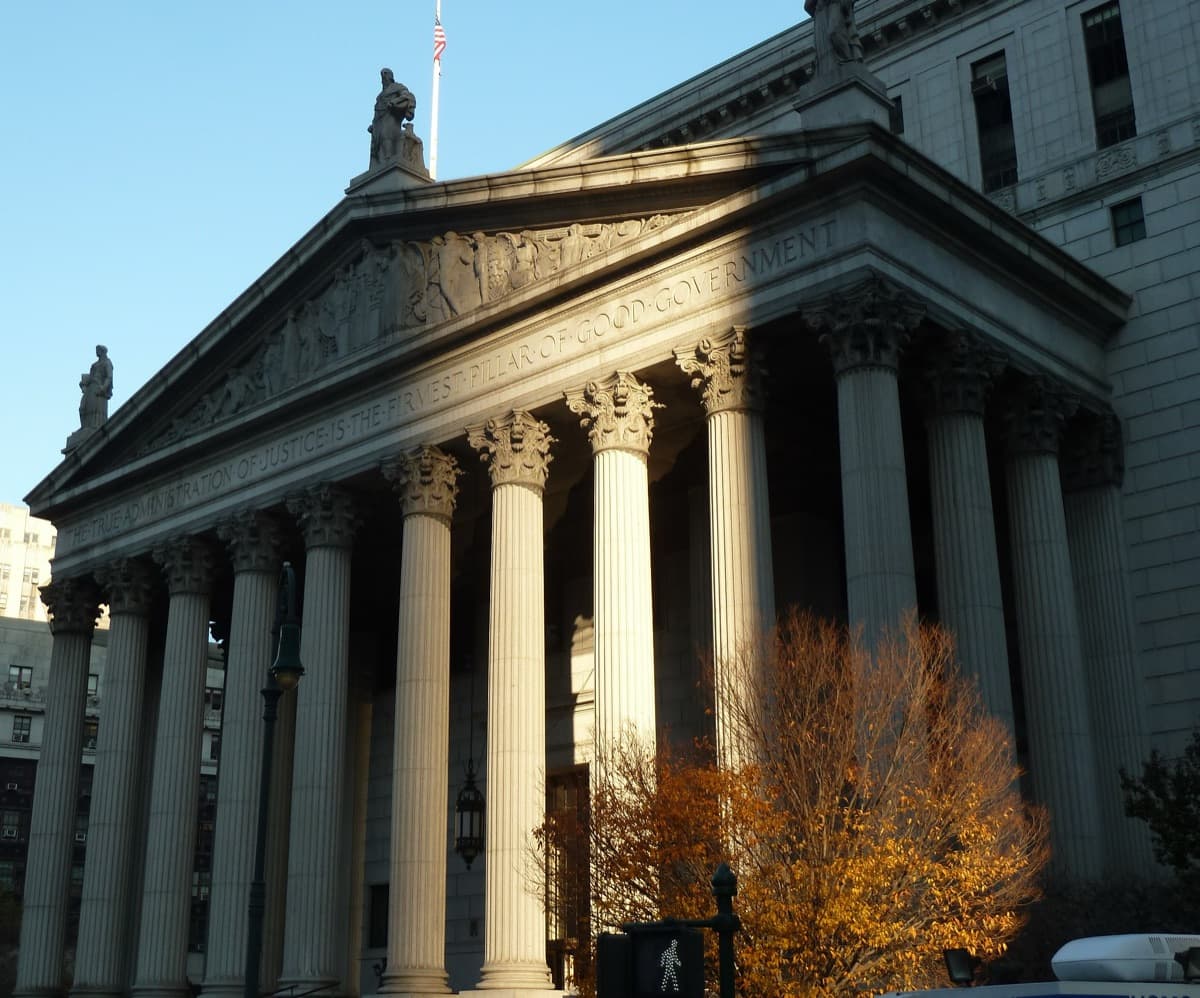
New York County Civil Court
111 Centre Street, New York, NY 10013
Small Claims Clerk: (646) 386-5484
Brooklyn
Kings County Civil Court
141 Livingston Street, Brooklyn, NY 11201
Small Claims Clerk: (347) 404-9021
Queens
Queens County Civil Court
89-17 Sutphin Boulevard, Jamaica, NY 11435
Small Claims Clerk: (718) 262-7122 / (718) 262-7123
Staten Island
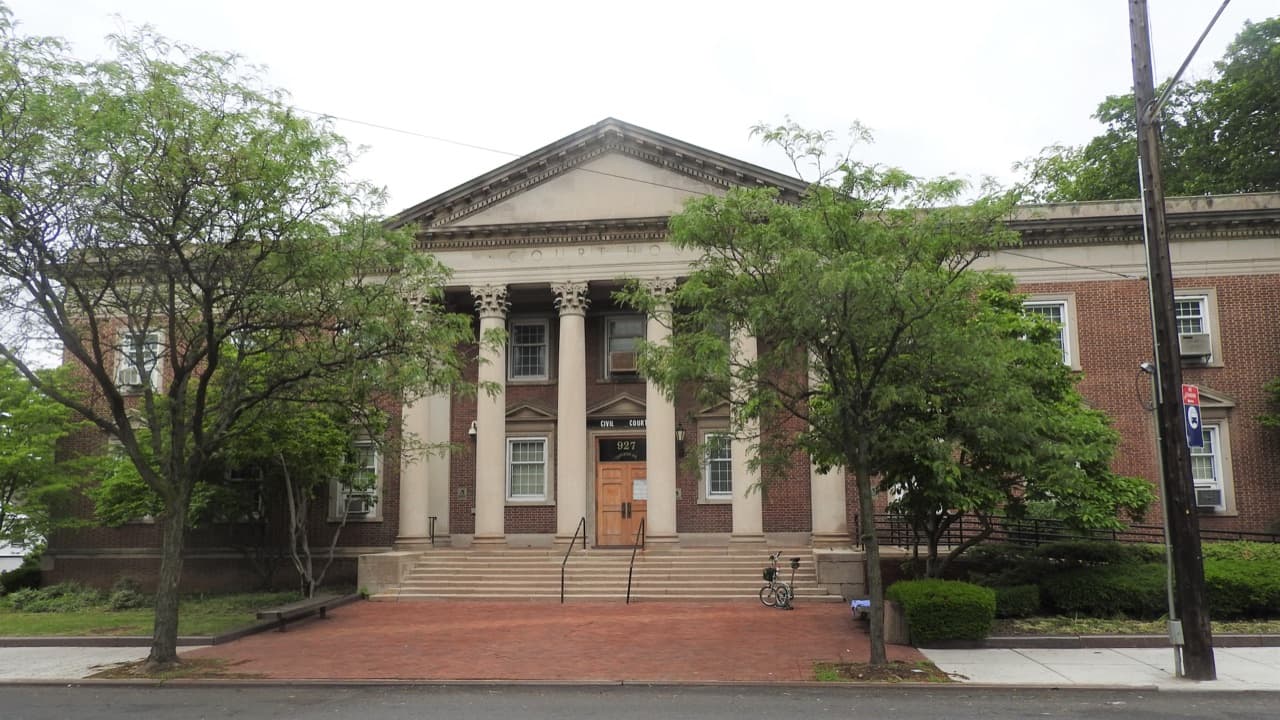
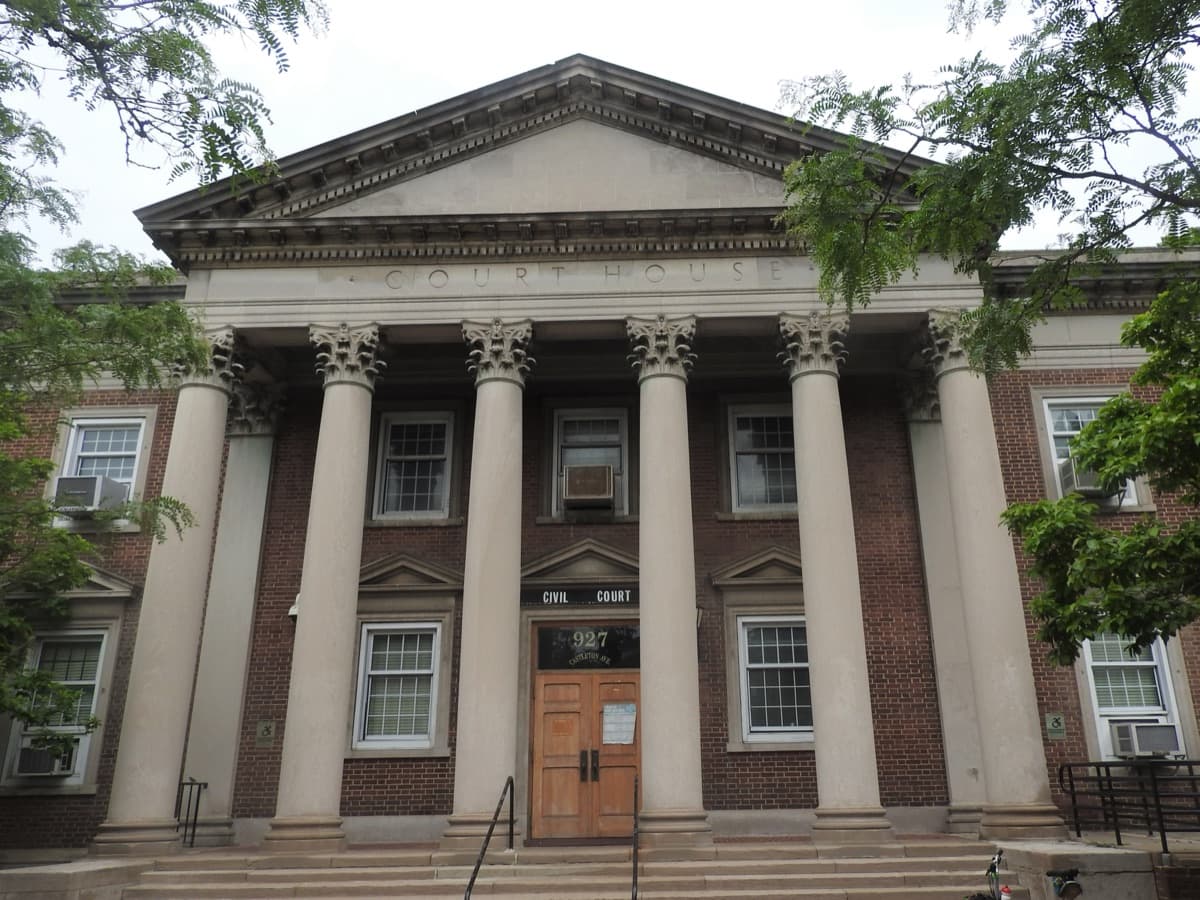
Richmond County Civil Court
927 Castleton Avenue, Staten Island, NY 10310
Small Claims Clerk: (718) 675-8460
Why use Solon for your New York City case?
We know New York's deadlines and penalties
New York sets hard clocks — 14 days for a landlord to return a deposit, up to 6 years on a broken contract — and extra damages like the up-to-2× penalty for a bad-faith deposit. Solon flags what applies the moment you describe your case.
We do the heavy lifting
Solon drafts your demand letter, sends it certified, and if it comes to that, preps your small claims filing for the courthouse that actually handles your case.
Free to start, with attorney oversight
Describe your situation for free — no account needed. Every step Solon takes was built with attorney oversight.
Let Solon Help You
Solon takes your case from demand letter to small claims filing — free to start, no sign-up, and built with attorney oversight.
Chat with Solon →